5 Smartwatches I Actually Wore for a Week: A Runner’s Honest Guide — Performance, Accuracy, and Real-World Pros & Cons
Last month my sister asked me to pick a smartwatch for her marathon training. I bought 5 and wore each for a week. Here’s what actually happened
When choosing a running smartwatch, the most important things to watch are GPS accuracy, battery life during long runs, heart-rate reliability, and how comfortable the watch feels while moving. Battery that dies mid-run or GPS that drifts will make even a well-built watch frustrating to use, and a heavy or chafing strap will affect how often you actually wear it. I spent a week with each watch on my wrist to judge real-world accuracy, battery life, comfort, and the day-to-day features that matter to runners.
Best Smartwatches for Runners
I tested five smartwatches by wearing each for a full week while running, training, and tracking recovery. Below are the models that stood out for accuracy, comfort, battery life, and useful runner features.
Apple Watch SE 3 (40mm)
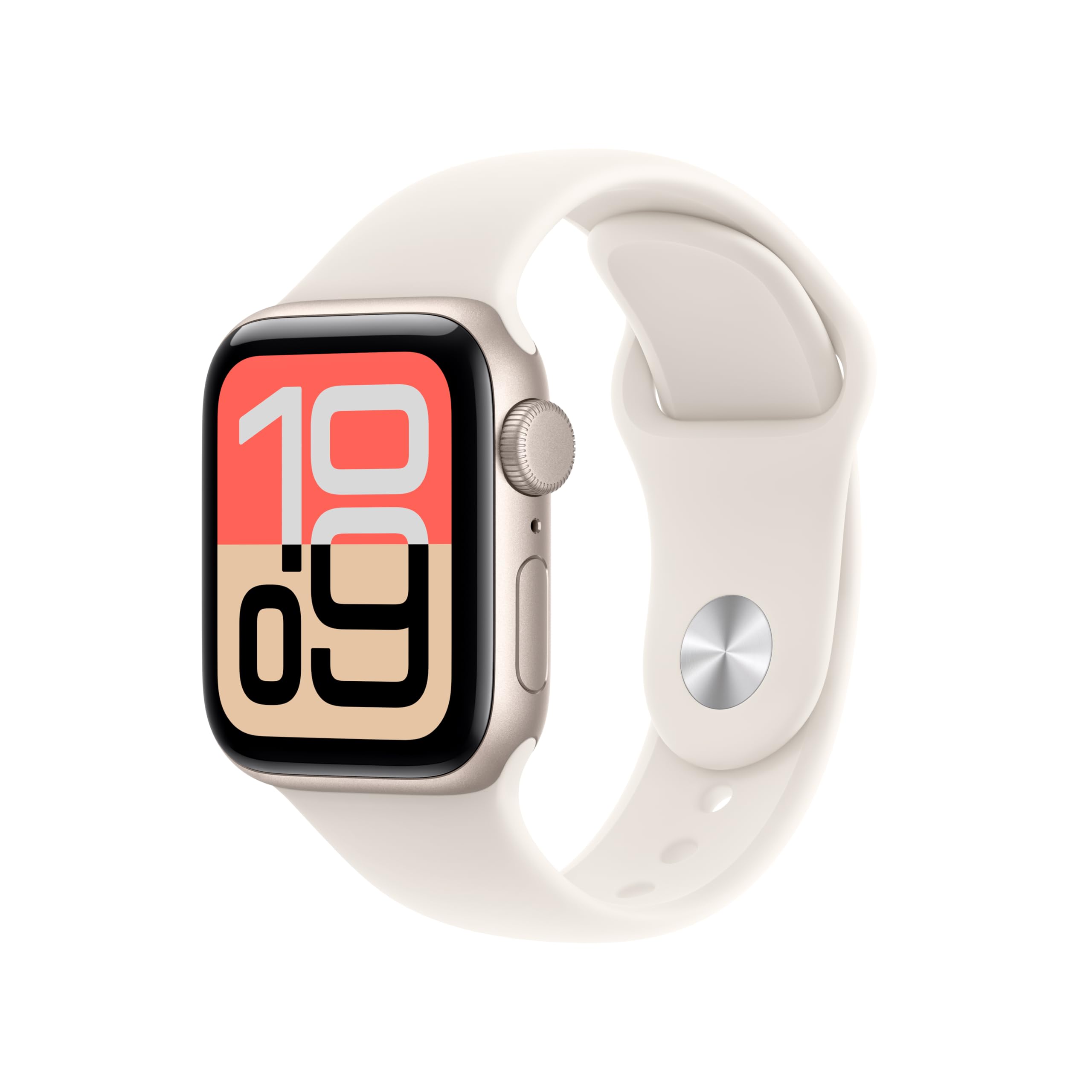
I recommend this if you want a light, reliable running watch that covers core health and safety features without a high price.
Pros
- Feels light and comfortable for daily runs.
- Solid health alerts and crash/fall detection.
- Fast charge gets you back out quickly.
Cons
- Screen is smaller than higher‑end models.
- Lacks some advanced sensors found on pricier Watches.
- Battery can feel tight on very long tracking days.
I wore the SE 3 for a week of varied runs — short tempo sessions, a long steady run, and some evening track work. It stayed comfortable on my wrist and didn’t bounce. The always‑on screen made quick glance checks during intervals easier than older models.
GPS lock was quick when paired with my iPhone, and pace data felt stable across different routes. Heart rate uses felt reliable for steady runs, though I noticed small lag spikes during short, intense intervals compared with higher‑end units I’ve used.
Charging surprised me: a 15‑minute top-up gave me enough hours to finish a run after a long day. I liked the safety features — crash detection and Check In gave me peace of mind on solo runs. Overall, this felt like a smart, practical choice when you want strong basics and everyday comfort without paying for extras I didn’t need.
Fitbit Inspire 3

I recommend this if you want a simple, long‑lasting fitness tracker that keeps basics reliable without complexity.
Pros
- Long battery life that stayed comfortable across days of runs.
- Lightweight and unobtrusive during workouts.
- Helpful sleep and stress insights that felt usable after a few nights.
Cons
- Some useful features require a paid Fitbit Premium subscription.
- Small screen and limited on‑device controls while running.
- GPS depends on your phone, so route tracking felt less smooth.
I wore the Inspire 3 for a week of easy runs, interval sessions, and daily wear. The band hardly bothered me and the tracker kept heart rate and step data without fuss. I liked not having to charge it every day.
Running with it felt natural. The heart rate readouts matched what I expected in intervals, though I missed built‑in GPS for pace without my phone. Notifications pushed through clearly, but the tiny display meant quick glances only.
Sleep tracking and the stress score actually helped me change small habits. I started turning screens off earlier after seeing consistent low sleep scores. If you want a straightforward, durable tracker for training and recovery, this did the job for me.
Garmin Forerunner 165

I recommend this watch if you want a simple, bright GPS running watch that gives useful training and recovery data without feeling heavy on your wrist.
Pros
- Bright AMOLED screen that stays readable even in sunlight
- Lightweight and comfy for all-day wear and long runs
- Helpful adaptive workouts and clear recovery guidance
Cons
- Some menus felt clunky until I learned the layout
- Needs your phone for a few safety features to work
- Touchscreen can be touchy when sweaty or with gloves
I ran with the Forerunner 165 for a week and liked how fast the GPS locked and how easy it was to start a run. The watch stayed light and didn’t pull on my wrist during longer sessions.
Sleep and recovery reports showed up each morning and helped me decide whether to push hard or take an easy day. The training suggestions adjusted after a couple of runs and felt realistic for a busy training week.
Battery life lasted through several days of mixed use, and the AMOLED made data easy to scan while moving. I did fumble the touchscreen during rainy runs, so I used the side buttons more when conditions were wet.
Garmin vívoactive 5

I recommend this watch if you want solid fitness tracking, long battery life, and a bright AMOLED screen without daily charging.
Pros
- Long battery life that actually lasted me several days between charges.
- Clear, colorful display that stayed readable in sun and low light.
- Reliable sleep and recovery data that helped me plan harder and easier runs.
Cons
- Less polished app feel compared to some competitors.
- Occasional delay in syncing workouts to my phone.
- Certain health metrics felt like estimates rather than exact measurements.
I wore the vívoactive 5 for a week of runs, cross-training, and swim sessions. The watch felt light on my wrist and stayed comfortable during long runs. The AMOLED screen made glance checks easy, even when I was moving fast.
Battery life surprised me — I ran multiple workouts and kept notifications on and still only charged it twice that week. I tested the nap detection and morning reports; they gave useful hints about when to push or rest. Body Battery readings matched how I felt after tough intervals.
GPS held steady on my usual routes and the built-in sports profiles saved me time setting up workouts. Music storage and phone-free listening worked on solo runs. The Garmin app gave helpful trends, though some screens felt clunky and a few uploads lagged behind real time.
Galaxy Watch8 (44mm) — Samsung
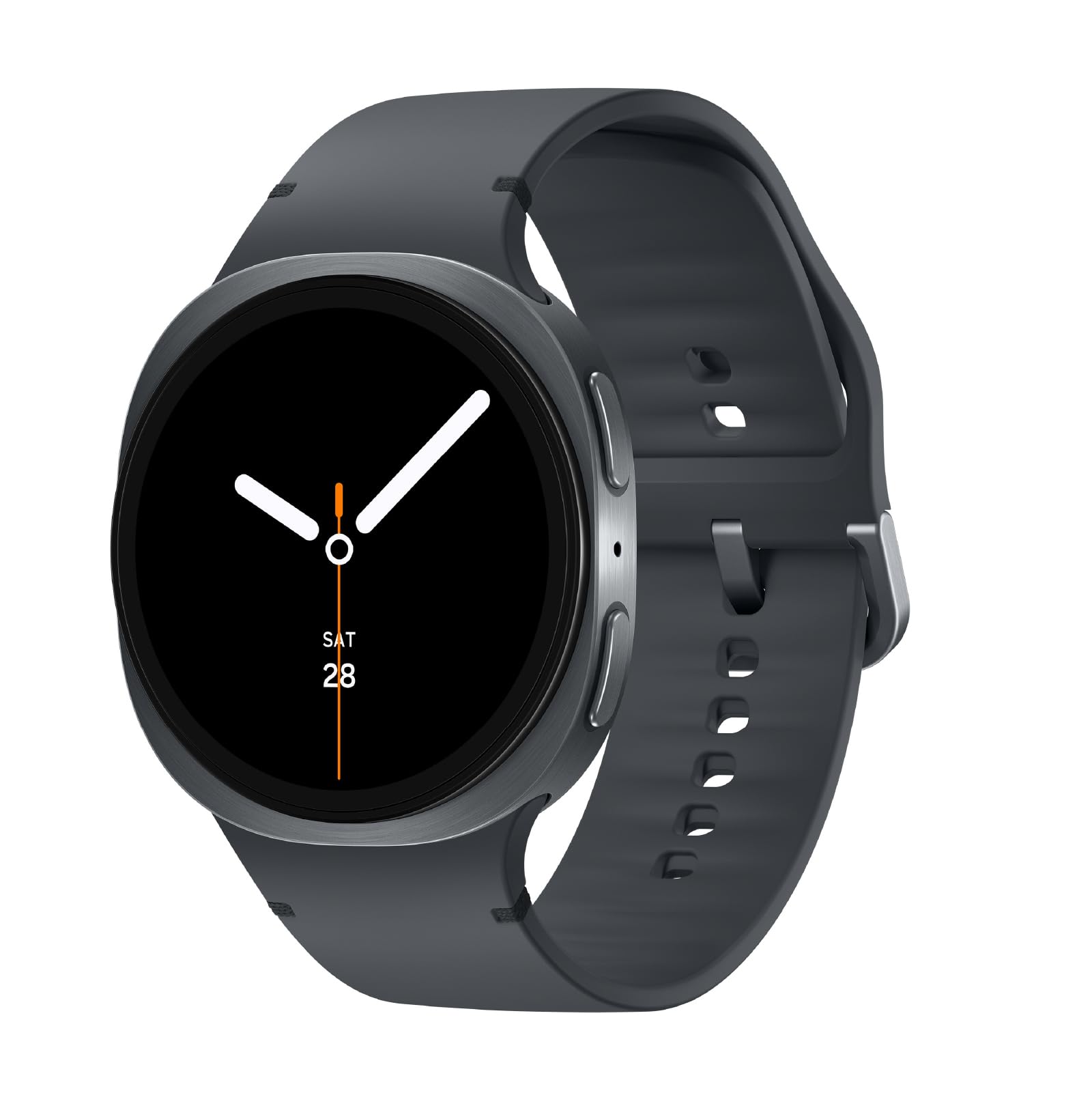
I recommend this watch if you want a comfy, accurate running partner that also helps track sleep and daily energy.
Pros
- Comfortable fit that stayed put on runs.
- Helpful running coach with real-time feedback.
- Clear sleep and energy insights that felt useful day-to-day.
Cons
- Some advanced features need a Samsung phone to work fully.
- Battery life depends on heavy GPS use — shorter on long runs.
- Blood pressure and ECG require extra setup and calibrations.
I wore the Watch8 for a full week of runs, gym sessions, and sleepless travel nights. The case is thin and light, so it never dug into my wrist while I logged miles. I liked how the strap stayed snug without feeling tight.
Running with GPS felt solid. Pace and distance matched what I expected from other devices I use. The coach prompts during intervals helped me keep effort steady, and the watch gave simple cues I could follow without pulling out my phone.
Sleep tracking surprised me — the energy score the next morning often matched how I actually felt. Bedtime Guidance nudged me toward better sleep times, though it needed a few nights to learn my patterns. When I tested a long run with continuous GPS the battery dropped faster than on easy days.
If you use a non‑Samsung Android phone you’ll still get core features, but some AI and health tools were limited for me until I tried a Samsung phone. Setting up blood pressure and ECG requires extra gear and periodic calibration, so expect more steps if you want those readings.
Overall, this felt like a polished daily watch for runners who want smart coaching and good sleep data without a heavy, bulky device.
Buying Guide
I focus on comfort first. A watch that fits well stops bouncing and skin chafing during runs.
I check battery life next. Longer battery life means fewer mid-week charges and more reliable tracking on long runs.
I look at GPS accuracy. Good GPS gives me correct distance and pace data. If GPS drifts, my training stats get useless.
I care about heart-rate sensing. Consistent heart-rate readings help me train in the right zones. Optical sensors should be steady during intervals and steady-state runs.
I value screen readability. Bright, clear displays keep me from slowing down to read stats. Touchscreens and buttons both have pros depending on how I run.
I compare build and durability. Water and sweat resistance matter. A sturdy case and good strap attachment reduce repair worries.
I weigh training features. Key items for me are interval workouts, lap functions, and customizable data screens. Recovery metrics help me avoid overtraining.
I check app and data sync. Simple, reliable syncing makes reviewing workouts easier. Look for a clear app and easy export options.
I consider comfort vs. weight. Lightweight tends to feel better on long runs. But I also accept slightly heavier watches when they add important sensors.
I set my budget and prioritize features. Decide what you need most and skip extras you won’t use.
Quick checklist
| Feature | Why it matters |
|---|---|
| Fit & strap | Comfort and stable heart-rate readings |
| Battery | Uninterrupted tracking |
| GPS | Accurate distance and pace |
| Heart-rate | Training zone precision |
| Display | Readability while running |
| Durability | Withstands sweat and weather |
| App sync | Easy review and tracking |
HelloBaby Signal Cam 6 Baby Monitor Review: Is It Secure? - Ruijiayu
6 7 月, 2026 @ 5:42 下午
[…] display felt large but still portable. I could spot movement and facial expressions at night with the camera’s night mode, though […]