Best Smartwatch Picks for 2026: Top Models, Features, and Value Comparison
Smartwatches do more than tell time; they track health, deliver notifications, and act as a small computer on your wrist. I look for models that balance battery life, accurate sensors, and a clear screen so the watch works well all day without constant charging. A good smartwatch should give reliable health data, last through your day, and fit comfortably on your wrist.
People buy smartwatches for workouts, sleep tracking, calls, or simply convenience. When choosing one, pay attention to battery life, sensor accuracy (heart rate, GPS), app compatibility with your phone, and the case and band materials for comfort and durability. I tested many models to find watches that perform well across those key areas and suit different needs, so you can pick the right one in the Best Of List and the Buying Guide.
Best Smartwatches
Below is my full list of the best smartwatches. I tested models for battery life, ease of use, and fitness features to help you find the right pick.
Apple Watch Series 11 (42mm)
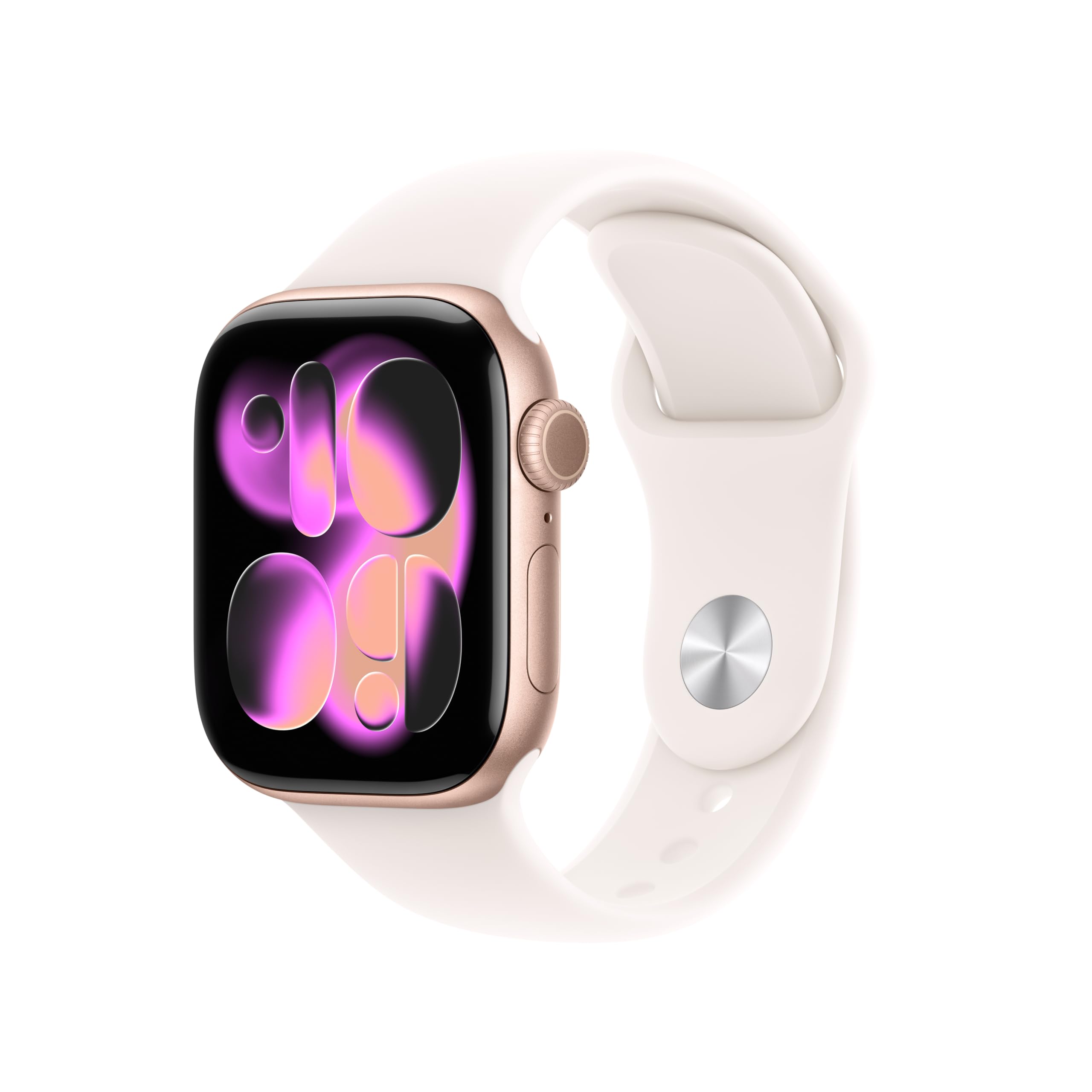
I recommend this watch if you want a very capable health and fitness tracker that feels light and works smoothly with an iPhone.
Pros
- Very accurate health tracking and clear sleep insights
- Lightweight, comfortable to wear day and night
- Fast charging and improved battery life for longer use
Cons
- Works best only with an iPhone
- Premium price for features many won’t fully use
- Some advanced health alerts can cause extra worry
I wore the Series 11 for a week and liked how it stayed comfortable during workouts and sleep. The screen is bright and easy to read, and the watch felt solid without being heavy.
The health features stood out in real use. ECG and blood oxygen checks were quick, and the sleep score helped me spot small pattern changes. The hypertension and sleep-apnea notifications alerted me when metrics looked off, which felt useful but sometimes required follow-up with my doctor.
Battery life hit about a full day with my mix of notifications and workouts, and fast charging saved me when I needed a quick top-up before bed. Be aware that many features rely on an iPhone nearby, so this is best for people already in the Apple ecosystem.
Overall, I found the Series 11 to be a polished smartwatch that blends health tools with everyday convenience, though its full value shows when you pair it with an iPhone.
Apple Watch SE 3 (40mm) — Starlight
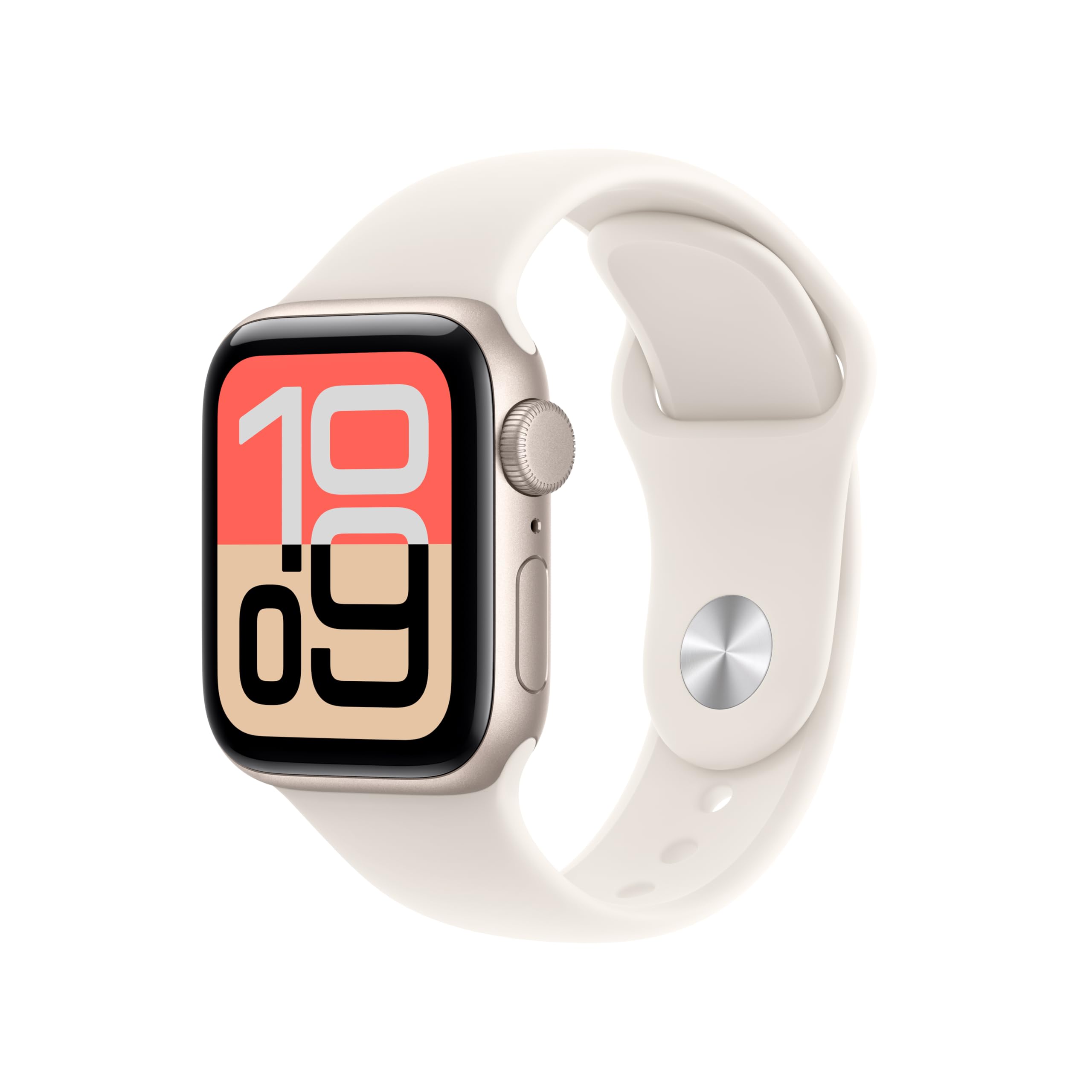
I recommend this watch if you want a strong mix of fitness and safety features without paying for the top-tier model.
Pros
- Solid health and safety tools that felt useful during my runs.
- Always-on screen makes quick glances easy.
- Faster charging got me hours of use after a short top-up.
Cons
- Battery lasts a full day but not multiple days with heavy use.
- Some health alerts can be sensitive and trigger false alarms.
- Lacks a few advanced sensors found in pricier models.
I wore the SE 3 for a week of workouts and daily use. The always-on display helped when I checked time and stats while lifting or biking. Short charging bursts gave the watch enough power for evening activities.
Notifications felt reliable and calls came through clearly when paired with my phone. The safety features like fall and crash detection gave me peace of mind during solo hikes, though one false alert popped up after a rough commute.
Tracking for sleep and workouts worked well and synced smoothly to my phone. The design is lightweight and comfortable, so I kept it on overnight without irritation. Overall, it handles daily life and active days with few compromises.
Apple Watch SE 3 (40mm) — Starlight
Fitbit Charge 6

I recommend this tracker if you want a simple, reliable fitness band with built-in Google apps for everyday use.
Pros
- Easy access to Google Maps and Google Wallet on my wrist.
- Comfortable band that stayed put during runs and workouts.
- Battery lasted several days with regular use.
Cons
- Screen can be hard to read in bright sun.
- Some Google features felt slower than on my phone.
- Advanced health metrics sometimes need app cleanup to be clear.
I used the Charge 6 for runs, gym sessions, and daily wear. The GPS was handy and the turn-by-turn directions helped when I tried a new route. I liked tapping to pay after a quick run—no phone needed.
The heart-rate and sleep tracking felt accurate enough for weekly trends. Syncing with the app was usually quick, though a couple of times a restart smoothed things out. Battery life made it easy to forget charging every day.
The touchscreen and small display keep the band slim, but the text can be tiny in daylight. Google apps are a nice bonus, yet they don’t always match the speed of a phone. Overall, I found it a useful daily companion that balances fitness tracking with smart features.
Forerunner 165

I recommend this watch if you want a simple running watch with a bright AMOLED screen and strong training tools.
Pros
- Bright, easy-to-read AMOLED display that stayed clear in sunlight.
- Lightweight and comfy for long runs and daily wear.
- Helpful adaptive training plans and clear recovery guidance.
Cons
- Touchscreen can be fussy with sweaty fingers.
- Some advanced metrics feel estimated, not clinical.
- GarminPay and safety features need phone setup and can be clunky.
I strapped this on for a mix of short sprints and longer runs. The display made pacing easy at a glance, and the buttons still worked well when I needed them during intervals.
I liked how the daily suggested workouts changed after a tough session. The recovery time feature actually kept me from overdoing it, which improved my week-to-week training.
Battery life lasted through several days of mixed use, though full GPS days cut that down. Notifications and music controls kept my phone in my pocket, but contactless payments took extra setup and didn’t always work on the first try.
Amazfit Bip 6

I recommend this watch if you want long battery life and solid fitness features in a lightweight, daily-wear package.
Pros
- Battery lasts days without stressing about nightly charging.
- Bright AMOLED screen stays readable outdoors.
- Built-in GPS and maps make runs and hikes easy to follow.
Cons
- Voice and app features can feel slower than flagship watches.
- Band feels basic compared to higher-end silicone or metal straps.
- Occasional notifications miss or arrive late during heavy phone use.
I wore the Bip 6 for a week of mixed workouts and day-to-day use. The 14-day battery claim held up with moderate tracking and notifications. I appreciated not charging it every night.
The screen impressed me the most — colors are sharp and I could read stats in bright sun while running. The watch felt light and comfortable during long sessions, and swim tracking worked fine in the pool.
GPS lock was quick and routes matched my runs when I downloaded the maps. Health readings like heart rate and SpO2 gave useful trends, though I would not treat them like medical-grade data. Overall, it’s a strong value if you want dependable tracking and long battery life without a heavy price tag.
Buying Guide
I look for the display type and size first because I want a screen that’s easy to read at a glance. Bright, sharp screens help outdoors; AMOLED often gives better contrast, while LCD can save battery.
I check battery life next since charging often is annoying. Think about how many days you want between charges and whether fast charging matters to you.
I want reliable fitness and health tracking that matches my routine. Basic step and heart-rate tracking is common; more advanced sensors (like SpO2 or ECG) matter if I need them for health reasons.
I pay attention to compatibility and apps so the watch works with my phone and apps I use. Some watches sync better with certain phones, and app support affects features and updates.
I consider build quality and comfort because I will wear it daily. Water resistance, strap options, and durable materials matter for active use.
I weigh smart features against battery life and price. More features can mean shorter battery life and higher cost, so I balance what I actually need.
I compare sensors, GPS accuracy, and connectivity (Bluetooth, Wi‑Fi, LTE). These affect workout tracking, notifications, and using the watch without my phone.
I read user reviews and check software update policies to judge long-term value. Good support and regular updates extend the watch’s usefulness.
| Feature | Why it matters |
|---|---|
| Display | Readability and battery use |
| Battery | Time between charges |
| Sensors | Health and activity accuracy |
| Compatibility | Works with your phone/apps |
| Durability | Daily wear and water resistance |
| Software updates | Fixes, new features, security |
Smart Glasses Revolution: How AR Technology Is Transforming Daily Life in 2026 - Ruijiayu
22 5 月, 2026 @ 5:14 下午
[…] provide other connected features. They offer a hands-free way to access notifications, navigation, fitness data, and more without pulling out your phone. Some smart glasses look like regular frames while others […]
Smart Scale Buying Guide: Features, Accuracy, and Top Models - Ruijiayu
23 5 月, 2026 @ 4:56 下午
[…] address accuracy, practical tracking, key features, app connections, platform integrations, and reasons for measurement variability. I give specific, actionable points […]
Best Smart Sleep Headbands to Improve Rest and Track Sleep Quality - Ruijiayu
19 6 月, 2026 @ 4:18 上午
[…] want clear data and an app that explains it in a way that makes sense. If the app is confusing, what’s the […]