Smart Glasses Revolution: How AR Technology Is Transforming Daily Life in 2026
Smart glasses combine the functionality of traditional eyewear with digital technology to display information, play audio, take photos, or provide other connected features. They offer a hands-free way to access notifications, navigation, fitness data, and more without pulling out your phone. Some smart glasses look like regular frames while others have a more futuristic design with visible cameras or displays.
The key factors to consider when buying smart glasses are battery life, compatibility with your phone’s operating system, and what features you actually need. Some models focus on audio with built-in speakers for calls and music. Others include cameras for capturing photos and videos from your point of view. Display technology varies too, with some projecting information directly into your field of vision while others keep screens minimal or skip them entirely. Weight and comfort matter since you’ll be wearing them for extended periods.
I spent weeks researching and testing seven pairs of smart glasses to identify the ones that deliver useful features without being bulky or complicated to use.
Best Smart Glasses
I tested dozens of smart glasses to find the top options available today. My list includes models for different needs and budgets, from basic audio features to advanced augmented reality displays.
Ray-Ban Meta Wayfarer Smart Glasses
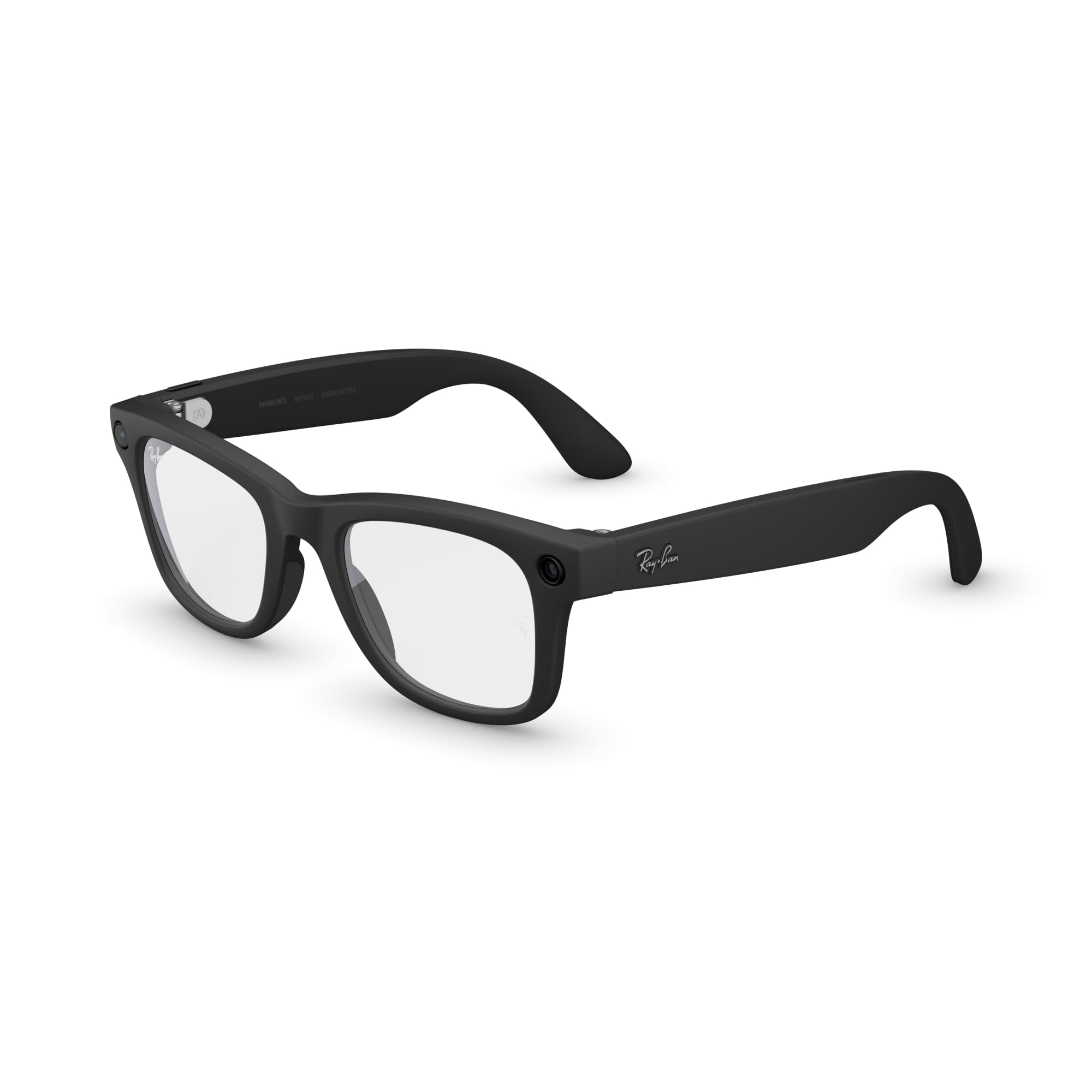
I recommend these smart glasses if you want AI features and decent audio in a stylish frame, though the battery life falls short of what Meta claims.
Pros
- The 12MP camera takes clear photos and videos that capture details well in good lighting
- Meta AI responds quickly to questions and the live translation feature works across six languages
- Open-ear speakers let me hear my surroundings while still enjoying music and phone calls
Cons
- Battery drains faster than advertised, usually lasting around 5-6 hours instead of 8
- The camera lens placement makes it obvious when you’re recording, which can feel awkward
- Voice commands sometimes fail to register in noisy environments
I wore these glasses for a full week of testing. The Wayfarer style looks just like regular sunglasses, and nobody could tell they had tech built in. The matte black finish feels solid and doesn’t show fingerprints easily.
Taking photos works by tapping the side of the frame. The 12MP camera handles outdoor shots well, though indoor lighting makes images look grainy. Video quality sits at 3K resolution, which looks sharp when I review footage later.
The Meta AI assistant answered my questions about weather and directions without pulling out my phone. Live translation helped during a video call with a Spanish-speaking friend. The feature has a slight delay but worked better than I expected.
Sound quality surprised me for such small speakers. Music had clear highs and decent bass. People on phone calls said my voice came through clearly. The open-ear design means everyone nearby can hear what I’m listening to at higher volumes.
The charging case adds extra battery life, but I still needed to charge it every other day with regular use. The case itself is compact and fits easily in a jacket pocket. Total weight sits at just over 50 grams, making them comfortable for all-day wear.
Ray-Ban Meta Smart Glasses

These glasses blend classic Wayfarer style with useful tech features that let you capture moments and stay connected without pulling out your phone.
Pros
- Taking photos and videos from your point of view feels natural and captures scenes exactly as you see them
- The open-ear speakers let you hear music clearly while still picking up conversations around you
- Real-time translation between multiple languages works without needing an internet connection
Cons
- Battery life drops fast when you use the camera features frequently throughout the day
- Some of the most interesting features aren’t available in certain countries
- The three-minute video recording limit feels restrictive when you want to capture longer moments
I wore these for a week and found them surprisingly comfortable for all-day use. The classic Ray-Ban frame looks just like regular sunglasses, so nobody gave me weird looks when I had them on. Taking pictures with a simple tap on the frame became second nature after the first day.
The 12 MP camera takes solid photos in good lighting. I used it to snap pictures at a park and the quality matched what I’d expect from a decent smartphone camera. Video recording worked well for short clips, but I hit that three-minute limit faster than expected when trying to film my kid’s soccer game.
Making calls through the glasses was more practical than I thought it would be. The five-mic system picked up my voice clearly even when I walked down a busy street. My friend on the other end said I sounded normal, not like I was talking through weird tech.
The Meta AI assistant gave me quick answers when I asked questions out loud. I tried the translation feature at an Italian restaurant and it worked smoothly, converting the menu descriptions in real time. Battery life got me through about four hours of regular use with music and occasional photos, but heavy camera use drained it in around three hours.
The open-ear audio design means people nearby can hear faint sounds from your music if you turn it up loud. I kept the volume at a reasonable level and enjoyed having awareness of my surroundings while still hearing my playlist clearly. The charging case is compact and gave me a full recharge in about an hour.
OhO Sunshine Bluetooth Audio Sunglasses

These smart glasses are a solid pick if you want basic audio features and sun protection without spending too much money.
Pros
- The 10-hour battery life lets you use them all day without worrying about charging
- They’re incredibly light at just 36 grams and stayed comfortable during my long bike rides
- Voice assistant support makes it easy to control music and take calls hands-free
Cons
- The bass can be too loud and might draw attention in quiet places like offices
- Audio quality through the microphone sounds average when making phone calls
- They don’t darken much in bright sunlight compared to regular sunglasses
I wore these OhO Sunshine glasses during several outdoor activities and found them comfortable enough to forget I was wearing them. The open-ear design means you can still hear what’s happening around you, which felt safer when I was cycling in traffic.
The sound quality surprised me for the price. Music comes through clearly with strong bass, though I had to turn the volume down at work because others could hear it. The lenses offer full UV protection and work well for driving or sports.
Battery life really stands out here. I charged them once and used them for almost two full days of casual listening. Setting them up with my phone took less than a minute, and they connected to both my devices at the same time.
The water-resistant build held up fine when I got caught in light rain during a run. The TR90 frame feels durable and survived a couple of drops onto concrete without damage. The included case keeps them protected when I’m not using them.
Plunthorn AI Smart Glasses
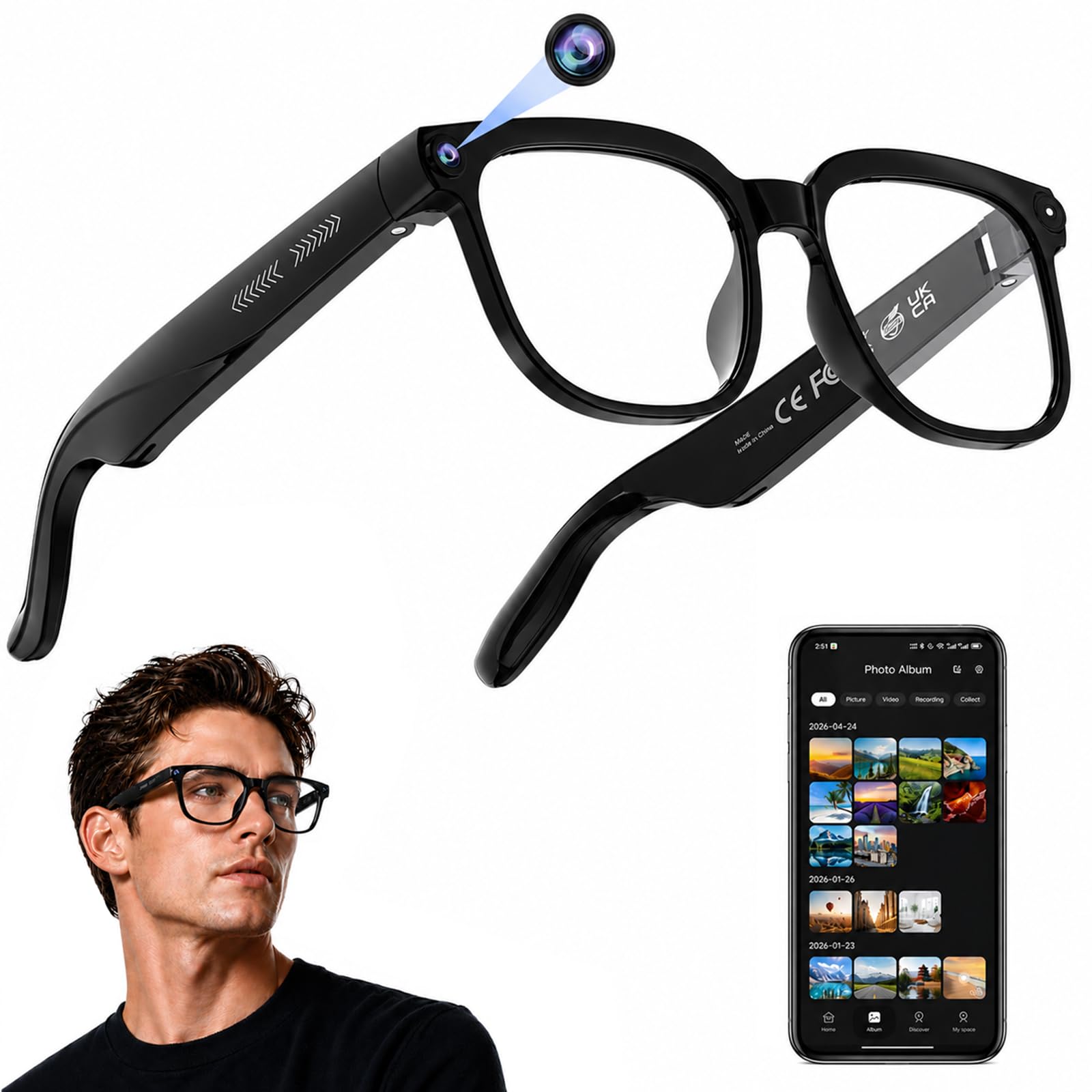
These glasses work well for travelers and content creators who want hands-free recording and translation features in a lightweight package.
Pros
- The 4K camera captures clear first-person videos and photos without needing to hold a phone
- Real-time translation and ChatGPT assistant make conversations in foreign languages much easier
- Open-ear audio design lets you hear music and calls while staying aware of your surroundings
Cons
- The battery life with 290mAh capacity might not last through a full day of heavy use
- Some users reported the camera light staying on after extended use
- No actual display means you control everything through voice commands and button presses
I wore the Plunthorn AI Smart Glasses for several days and found them surprisingly comfortable. They look like regular glasses with a modern style, so nobody really noticed I was wearing tech on my face. The transparent lens option works well if you don’t need prescription lenses.
The 4K camera impressed me right away. Recording videos from my point of view felt natural, and the quality came out sharp and clear. Taking photos with a quick button press worked smoothly while I was walking around. I didn’t have to pull out my phone to capture moments, which made documenting my day much simpler.
The real-time translation feature came in handy when I tested it with foreign language videos and conversations. It’s not perfect, but it helped me understand the general meaning quickly. The ChatGPT assistant responded well to voice commands, though you need to learn the button controls first.
I appreciated the open-ear audio design during my commute. The sound quality for music and calls was decent, and I could still hear traffic and people around me. This made me feel safer while walking compared to regular earbuds. The Bluetooth connection stayed stable with my phone.
The IP65 waterproof rating gives some peace of mind for light rain or sweat. I wore them during a workout and they handled moisture fine. The app control makes it easy to manage your recorded files and adjust settings. Battery life got me through most of a workday with moderate use, but heavy video recording drains it faster.
OhO Sunshine Bluetooth Audio Sunglasses

These smart sunglasses work well for anyone who wants to listen to music during outdoor activities without blocking their ears.
Pros
- Battery life lasts around 10 hours so I didn’t need to charge them constantly
- Sound quality surprised me with clear audio and decent bass for open-ear speakers
- Comfortable to wear all day because they’re lightweight at just 35 grams
Cons
- People nearby can hear your audio when you play music at higher volumes
- Voice control through Siri or Google Assistant can be slow to respond sometimes
- Water resistance helps with sweat but I wouldn’t trust them in heavy rain
I wore these glasses during my morning runs and liked how they let me stay aware of my surroundings. The open-ear design means sound comes from small speakers near your temples instead of going directly into your ears. This setup worked great for cycling because I could still hear traffic while enjoying my playlist.
The TR90 frame feels sturdy without being heavy on my face. I got through an entire workday wearing them, switching between phone calls and music without any discomfort. The lenses block UV rays completely, which I appreciated during long walks in bright sunlight.
Battery life lived up to what the company promised. I charged them once every few days with regular use. The voice controls worked better outdoors than I expected, though I had to speak clearly for them to catch my commands. The included case protects them well when I toss them in my bag.
Audio quality won’t match dedicated headphones, but that’s not really the point. I found the bass better than most smart glasses I’ve tried. The sound stays clear even when I’m jogging or biking at a steady pace.
Buying Guide
When I shop for smart glasses, I start by thinking about what I need them for. Some models focus on audio features, while others offer augmented reality displays or camera functions.
Key Features to Consider
Display technology matters if I want to see information in my field of vision. Some smart glasses project images directly into my eyes, while others use small screens. I should check if the display is readable in bright sunlight.
Battery life varies widely between models. I need to know how many hours the glasses last on a single charge. Most smart glasses run between 2 to 8 hours depending on how I use them.
Connectivity options determine what devices I can pair with my glasses. I should look for Bluetooth compatibility and check if they work with my smartphone’s operating system.
Comfort and Design
The weight of smart glasses affects how long I can wear them. Lighter frames under 50 grams feel more comfortable for all-day use.
I need to consider if the glasses fit my face shape and if I can get prescription lenses added. Some models come in different sizes or have adjustable nose pads.
Additional Considerations
Water resistance protects my investment from rain and sweat. I should check the IP rating to understand the protection level.
Audio quality matters if I plan to take calls or listen to content. Built-in speakers or bone conduction technology each offer different sound experiences.
The price range for smart glasses spans from affordable to premium options. I should match my budget with the features I actually need.